CONTENT & PROJECT MANAGEMENT
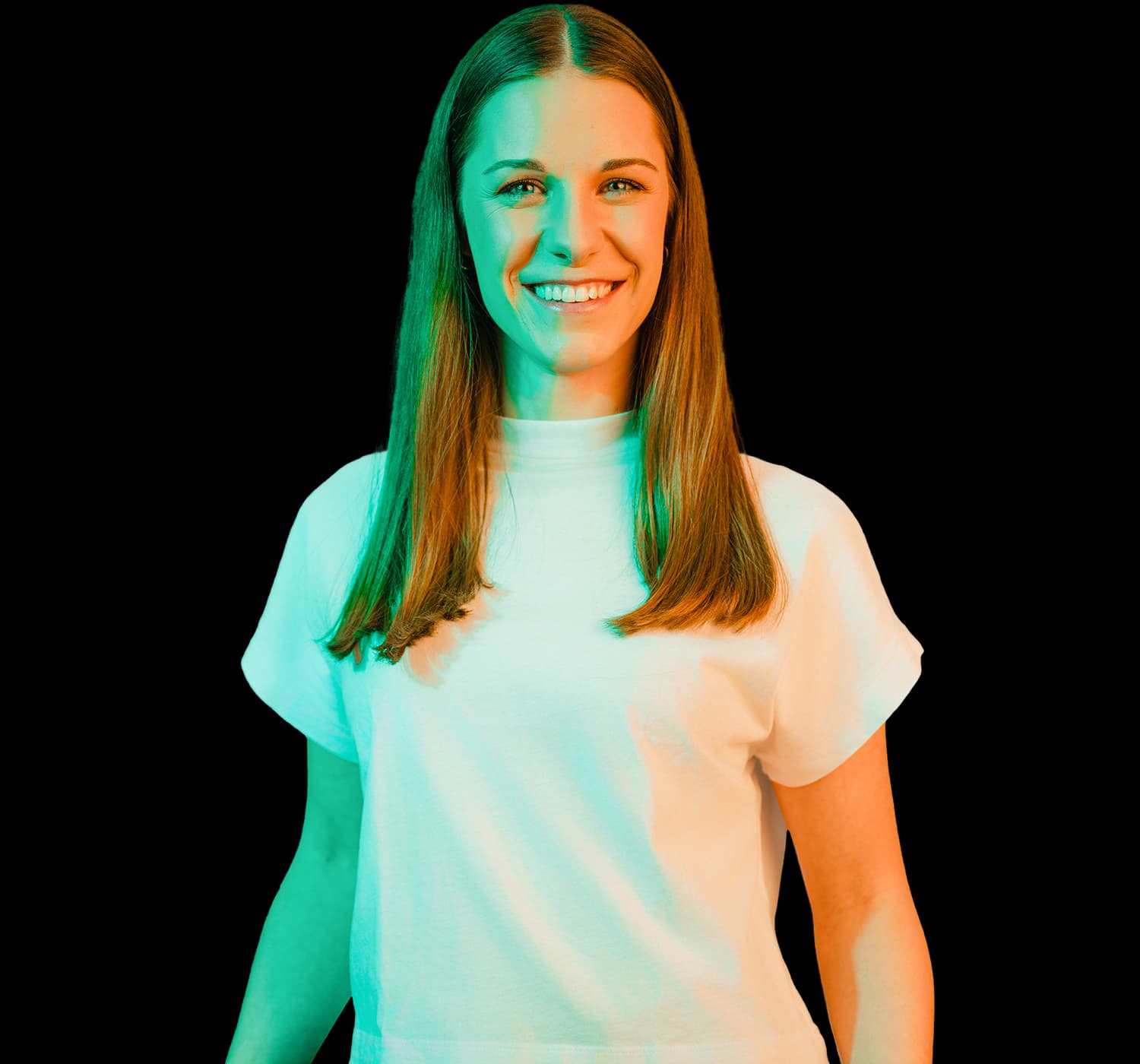
Katrin Hrubesch
Katrin, with her previous experience in web development, understands the many facets of the internet—from domains to websites and digital strategies. Since 2024, she has been a part of the INWX team and sharing her knowledge of web technologies, domains, and current industry trends on our blog.
2–3 min. read time
.si Domains: NIS2 and Contact Verification from July 2026
Slovenia is implementing the EU NIS2 Directive through its Information Security Act, ZInfV-1. From July, .si domains need verification when something looks off in the domain data. Here’s what to watch for and which data you may have to verify.
2–3 min. read time
.at Domains: NIS2 and Contact Verifications from October 2026
From October 1, 2026, Austria's NISG 2026—the national implementation of the EU NIS2 Directive—applies. For .at domains, this means nic.at can review holder data and request verification if discrepancies arise. This article covers what you should keep in mind as a domain holder and what happens if verification isn't completed.
2–3 min. read time
.de Domains: NIS2 and Contact Verifications from 14 April 2026
From 14 April 2026, the NIS2UmsuCG applies in Germany, the national implementation of the EU NIS2 Directive. For .de domains, this means DENIC can review holder data and require verification if something looks off. What you should keep in mind as a holder, and what happens if you don't verify, you'll find out in this article.

7–8 min. read time
How to Spot Phishing Emails and Fake Domains: A Checklist with Real Examples
An email from your bank, a package that supposedly couldn’t be delivered, a warning that your account will be locked: phishing emails are unfortunately nothing new these days. We explain how to spot phishing emails and how fake domains and typosquatting work. We also show you what to do if you’ve clicked a suspicious link.
3–4 min. read time
Open-source and self-hosting: how we run our systems
Debian, PowerDNS, OpenSSH, Proxmox: a look at the software behind INWX and the thinking behind it. Why we run open source, why we host it ourselves, and what that means for your data.
1
/
4


